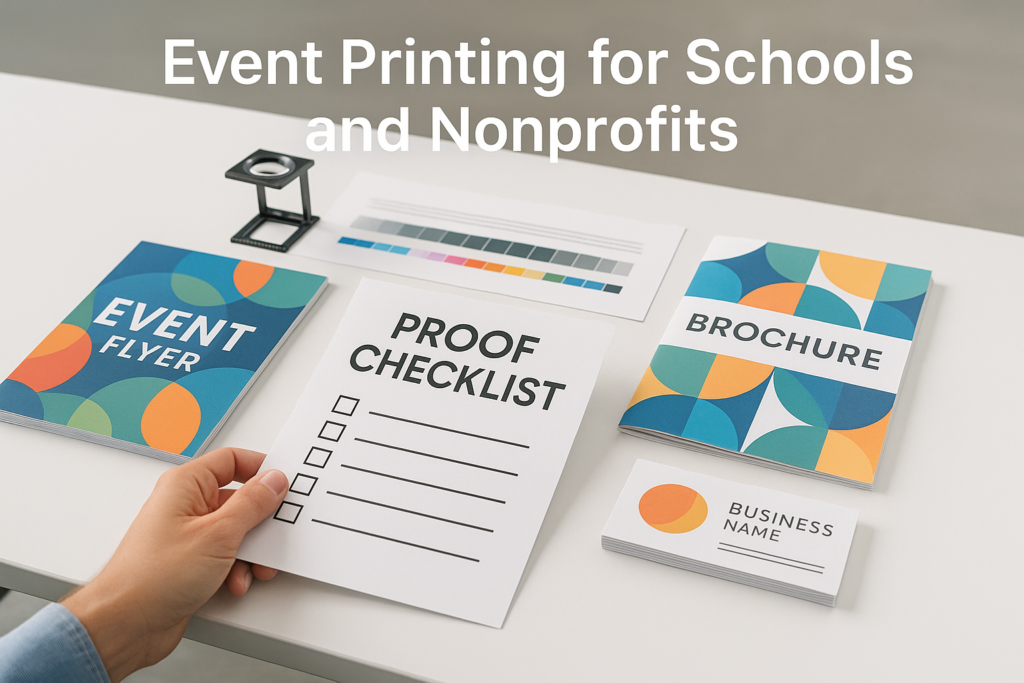
Planning event printing for schools and nonprofits can feel simple at first. You need flyers, posters, programs, signs, maybe donation cards or sponsor banners. Then the date gets closer, a logo comes in late, someone changes the schedule, and suddenly the print order needs to be ready yesterday.
The good news is that most print stress can be avoided with a clear plan. Whether you’re organizing a school auction, athletic banquet, open house, donor event, gala, walkathon, theater performance, or community fundraiser, the same basic steps apply.
This guide walks through what to plan, what to ask, and what to prepare before requesting a quote from a professional print shop.
Event printing for schools and nonprofits starts with a clear plan
Before choosing paper or sending artwork, define the purpose of each printed piece. A poster might need to attract attention from across a hallway. A program needs to be easy to read in a seat. A donation card needs clear instructions and enough writing space.
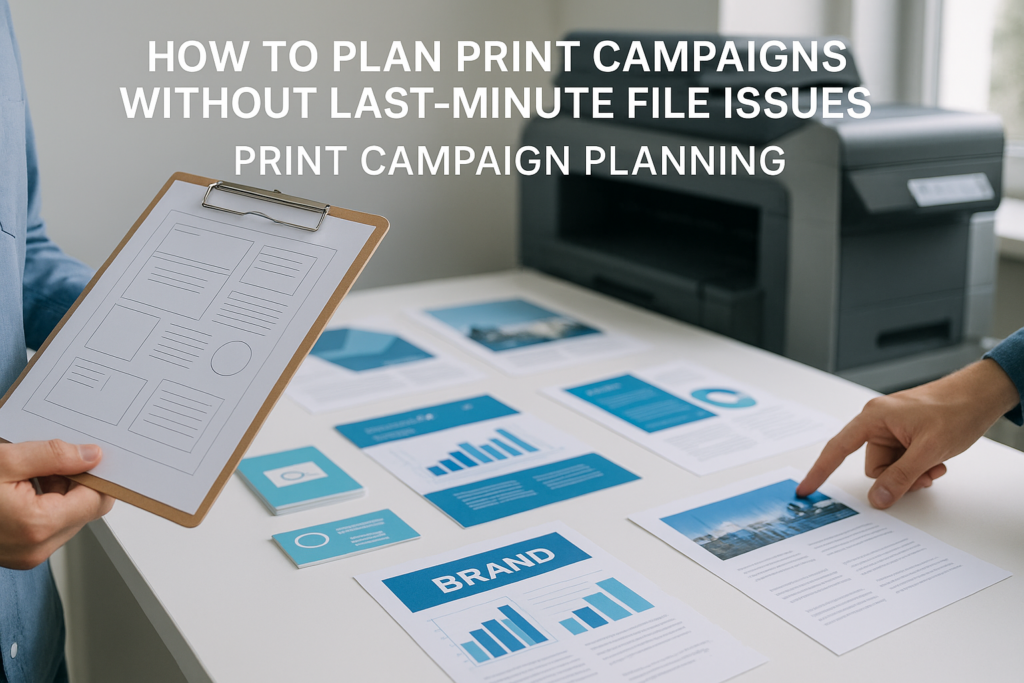
It helps to make a simple list of every printed item needed for the event. Include who is responsible for content, who approves the design, and when the final file will be ready. This is especially important for schools and nonprofits where several people may be involved, including staff, volunteers, sponsors, board members, or parent committees.
Start with the event goal and audience
Your print materials should match what you want people to do. Are you trying to sell tickets, thank sponsors, guide guests through a venue, collect donations, promote raffle prizes, or build awareness for a cause?
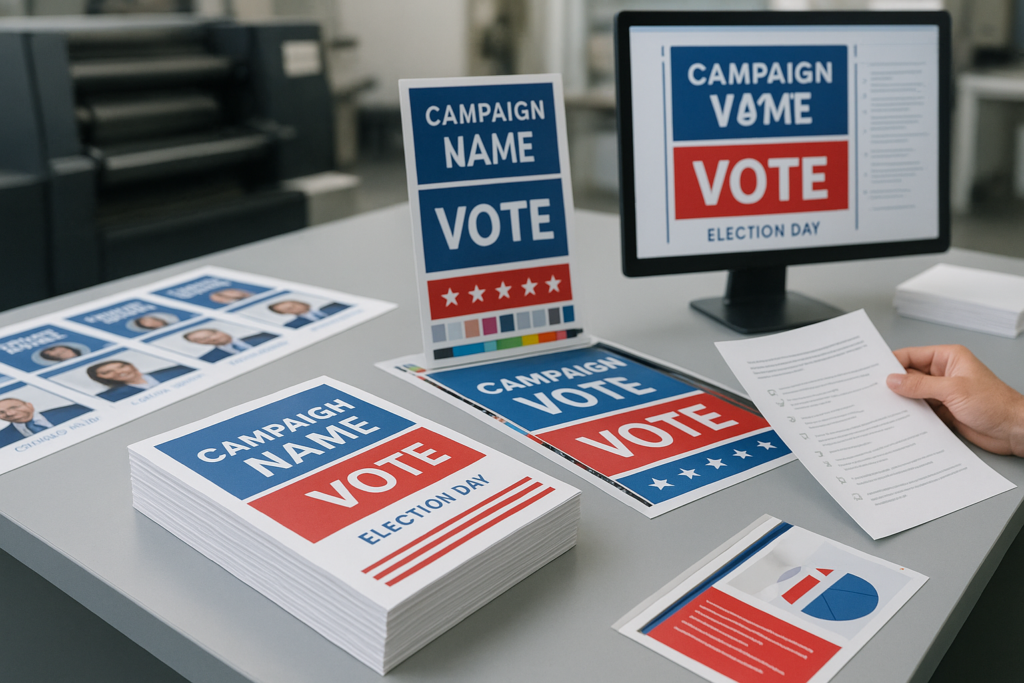
For example, a school fundraiser may need colorful take-home flyers for families, posters for hallways, yard signs for local visibility, and event programs for attendees. A nonprofit donor dinner may need invitations, reply cards, table signs, pledge cards, name tags, and sponsor signage.
Think about where each piece will be used. Indoor signs, outdoor signs, handouts, mailers, and table materials all have different needs. If materials will be handled often, displayed outside, folded, mailed, or written on, mention that when you request a quote.
Common print materials for school events and fundraisers
Every event is different, but many school and nonprofit print projects include a mix of promotional, directional, and day-of-event materials.
Promotional materials
- Flyers for backpacks, offices, bulletin boards, and community locations
- Posters for hallways, lobbies, libraries, gyms, and local businesses
- Postcards or mailers for donor outreach or ticket promotion
- Invitation cards for galas, luncheons, banquets, or recognition events
Event-day materials
- Printed programs, agendas, or schedules
- Donation cards, pledge forms, and raffle tickets
- Name tags, table tents, place cards, and meal cards
- Directional signs for parking, check-in, restrooms, seating, and pickup areas
- Sponsor banners, step-and-repeat backdrops, or recognition boards
Post-event materials
- Thank-you cards for donors, sponsors, volunteers, and attendees
- Impact mailers or newsletters
- Certificates, awards, or recognition pieces
If you’re not sure what format works best, ask your print shop for options. They can often suggest practical formats based on where the piece will be used, how it will be distributed, and whether it needs to last for one evening or be reused.
Build a realistic print timeline
One of the most common issues with fundraiser printing is waiting too long to finalize content. Print production takes coordination, and more complex projects may require extra time for proofing, paper ordering, finishing, or installation planning.
Start by working backward from the event date. Decide when materials need to be in hand, not just when the event starts. Flyers may need to go home with students weeks ahead of time. Invitations may need mailing time. Sponsor signs may need to be ready before setup day.
Exact turnaround times vary by project, quantity, materials, and shop workload, so always confirm timing before production. If you have a firm deadline, share it early. It’s better to ask at the quote stage than after the files are submitted.
File setup tips before you send artwork
Many delays happen because files look fine on screen but aren’t ready for print. Before submitting artwork, confirm the print shop’s preferred file format and setup requirements. Many shops accept print-ready PDFs, but requirements can vary.
Here are a few practical checks to make before sending files:
- Make sure the final size matches the piece you’re ordering.
- Ask whether the file needs bleed, especially if color or images run to the edge.
- Use high-quality images and logos. Small web images may look blurry when printed large.
- Check that sponsor logos are current and approved.
- Proofread names, dates, times, addresses, URLs, QR codes, and donation instructions.
- Confirm that folds, mailing panels, or perforations are set up correctly if needed.
QR codes deserve extra attention. Test them on multiple phones before sending the final file. Make sure they lead to the correct donation page, ticket page, registration form, or event website.
If your team is using Canva, Adobe tools, Microsoft Publisher, or another design platform, ask the printer how to export files correctly. A quick file review early can save a lot of back-and-forth later.
Paper, finishing, and durability considerations
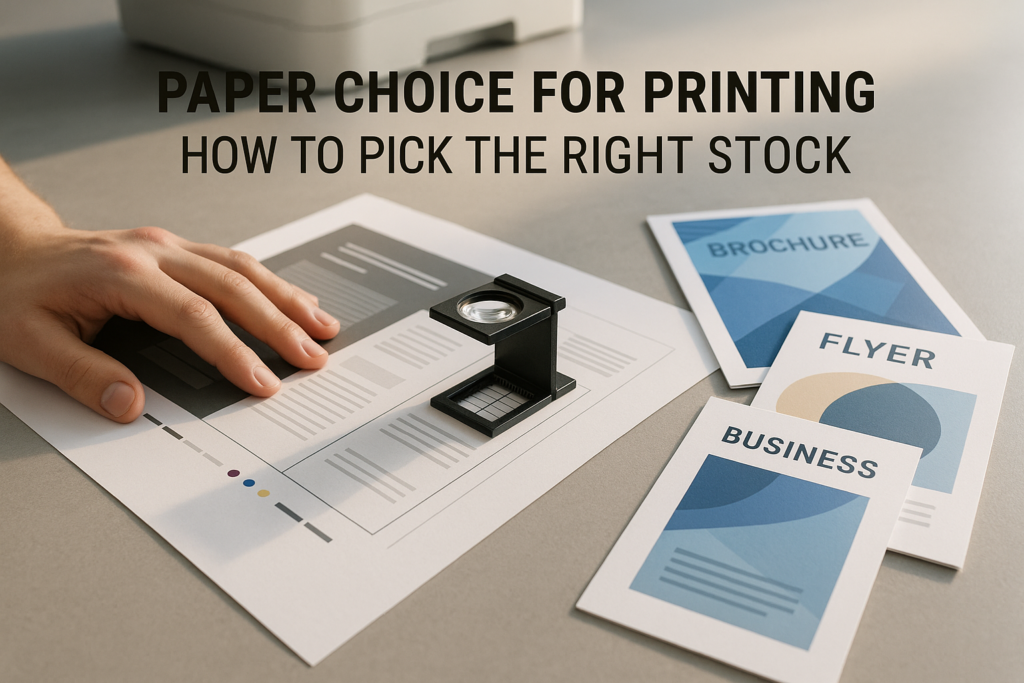
Paper choice affects how a printed piece feels, how it holds up, and how easy it is to write on. A glossy flyer can make photos look bright, while an uncoated card may be better for pledge forms or comment cards that guests need to fill out by hand.
Finishing options can also make a difference. Folding may be useful for programs or brochures. Perforation can help with response cards or ticket stubs. Lamination may be worth discussing for reusable signs or pieces that will be handled often. Mounting may be needed for display boards or sponsor recognition signs.
For outdoor materials, tell the printer where and how the piece will be displayed. Wind, moisture, sunlight, and mounting method can all affect material recommendations. Don’t assume every poster or banner material is suitable for every environment.
How to estimate quantities without overordering
Schools and nonprofits often need to balance budget with the risk of running short. Start with your expected attendance, then think through distribution. A flyer going home with students may need one per family or one per student, depending on your communication plan. A program may need one per guest, one per couple, or one per table.
For signs, walk through the event space in your mind. Where will people enter? Where might they get confused? Where will sponsors expect visibility? Directional signs are easy to overlook until guests start asking the same question repeatedly.
If your design includes sponsor names, dates, or pricing, order carefully because those materials may not be reusable. For more general signs, such as Welcome, Registration, or Silent Auction, you may be able to use them again at future events if they’re printed on a durable material.
Common mistakes that cause delays
Print projects usually run smoother when everyone knows who has final approval. Delays often happen when artwork is sent before all sponsor logos are collected, or when multiple people submit different versions of the same file.
Watch out for these common issues:
- Sending low-resolution logos pulled from websites or email signatures
- Changing event details after proof approval
- Forgetting to include bleed on full-color designs
- Using hard-to-read type sizes on programs, tickets, or forms
- Not testing QR codes before printing
- Waiting too long to ask about mailing, numbering, folding, or special finishing
A print shop can help, but it’s important to communicate early. If you know a file may be updated, say so. If the event date can’t move, say that too.
What to include when requesting a print quote
A clear quote request helps the printer respond faster and recommend the right options. You don’t need to know every technical detail, but the more context you provide, the better.
Include these details when you can:
- Type of item, such as flyer, poster, program, banner, postcard, or donation card
- Finished size, or the size you’re considering
- Quantity needed
- Color preference, such as full color or black and white
- Single-sided or double-sided printing
- Paper or material preference, if known
- Finishing needs, such as folding, scoring, perforation, binding, mounting, or lamination
- Indoor or outdoor use
- Needed-in-hand date
- Whether you have print-ready artwork or need design help
If you’re unsure about any of these, that’s okay. Explain the event, how the piece will be used, and what you’re trying to accomplish. A professional printing team can guide you through the options.
When to ask for help
Ask for help early if your project includes multiple pieces, mailing, sponsor recognition, variable information, custom sizes, or outdoor signage. It’s also smart to ask for guidance if you’re combining materials, such as invitations, RSVP cards, envelopes, programs, signs, and thank-you cards.
Printing teams work with real production issues every day, including file setup, paper availability, finishing choices, and deadline planning. A short conversation before final design can help prevent expensive changes later.
FAQ about school and nonprofit event printing
How early should we start planning event printing?
Start as early as you can, especially if your project includes invitations, mailing, sponsor materials, or several printed pieces. Exact production time varies, so confirm timing with your print shop before setting final deadlines.
Can a printer help if we don’t have print-ready files?
Many professional print shops can review files, suggest fixes, or provide design support. Ask what services are available before production begins.
What should we proofread most carefully?
Check dates, times, names, sponsor listings, addresses, ticket prices, donation links, QR codes, and contact information. These are the details that can cause the most trouble if they’re wrong.
Ready to plan event printing for schools and nonprofits?
With a little planning, event printing for schools and nonprofits becomes much easier to manage. Start with your event goals, list every printed piece, confirm quantities, prepare files carefully, and share your deadline early.
If you’re planning a fundraiser, school event, donor gathering, or community program, request a quote before the final rush. A professional print team can help you choose practical materials, avoid file issues, and keep your project moving toward the event date.